SENDEROS
DEL
VÍNCULO
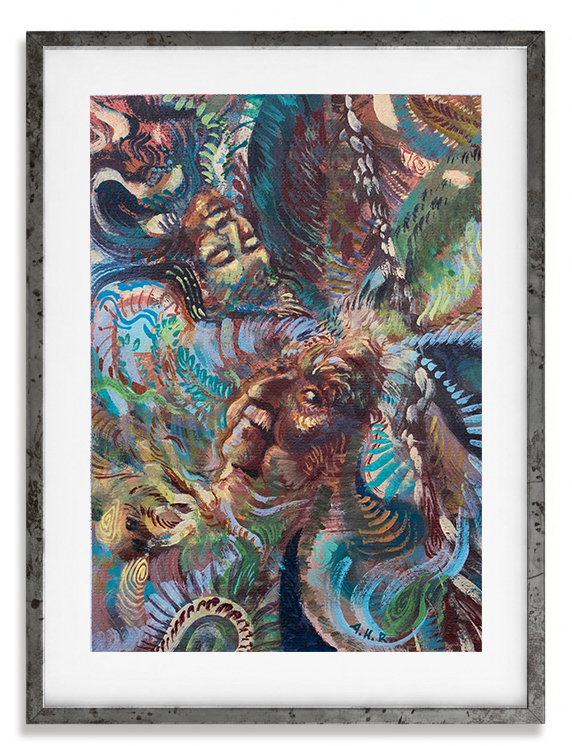
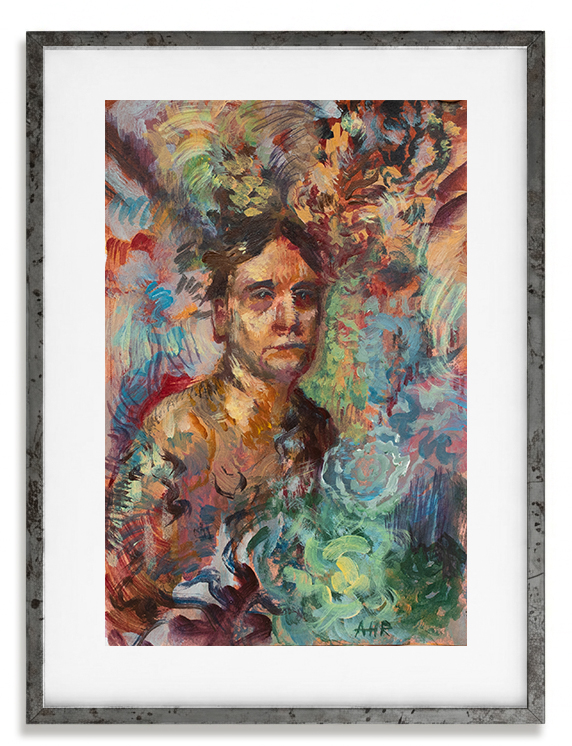
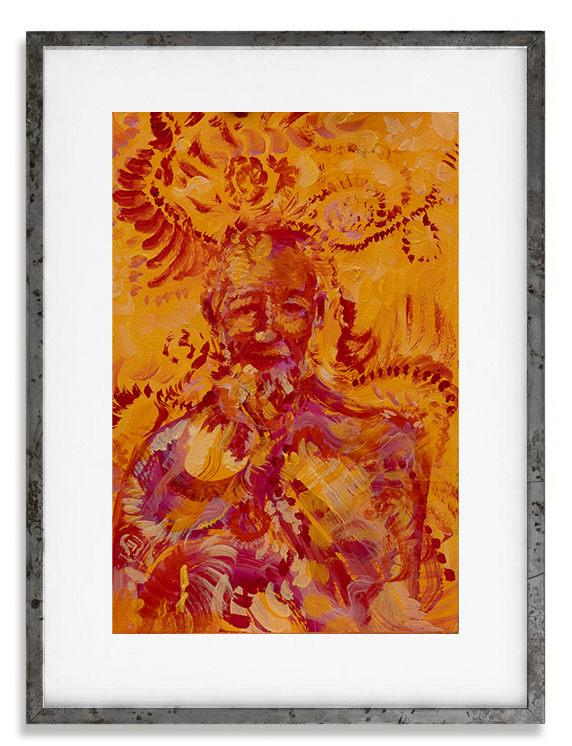
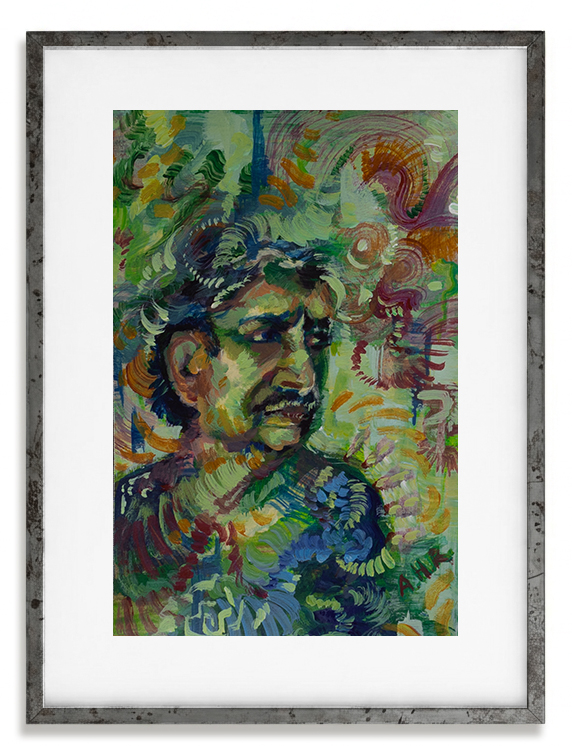
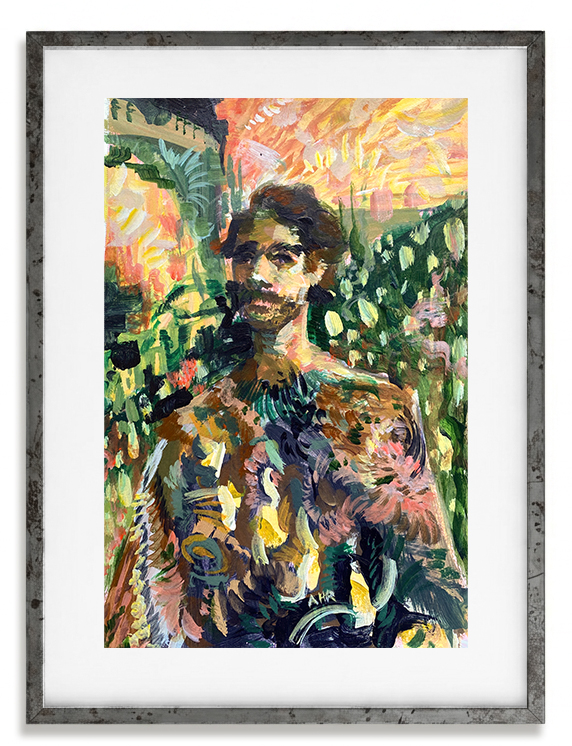
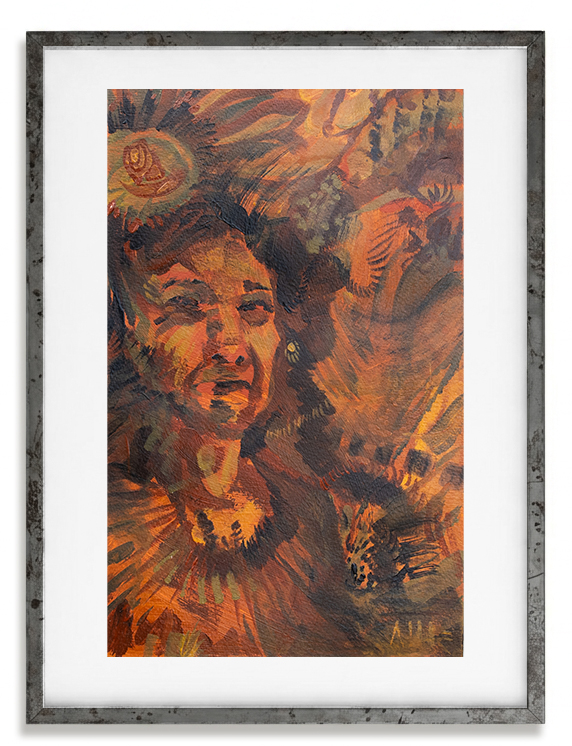
This series explores the forces that link us to our surroundings and to other beings. In each work, the lines and energies that traverse the canvas function as threads of union: between people, nature, and the cosmos.
The backgrounds act as symbolic territories, where memory and transformation become visible. Here, the human figure appears in transit: forms that merge with signs, evoking both individual roots and a sense of collective belonging.
The compositions sustain a tension between scales. The microscopic and the cosmic, the intimate and the universal, coexist within the same space, reminding us that every change, life and death, closure and rebirth, unfolds within a shared continuum.
Senderos del Vínculo emerges as a poetic map of connections: a place where identity and transformation are not opposites, but expressions of the same vital web.
UNIDAD PRESENCIAL
The piece is structured in three independent planes that, when superimposed, form a single image.
Transparency is central: it allows for the simultaneous reading of the three panels and determines the choice of glass as the support. The use of separate modules introduces the possibility of altering their arrangement, incorporating variation within a single work.
The forms derive from structures found in mycelial networks, human neurons, and tree roots. These are recurring configurations in nature, linked by their capacity to generate connections and systems of exchange.The work focuses on the visual correspondence between these patterns to point to a shared underlying logic.
The repetition of these structures articulates a notion of unity across different natural systems.
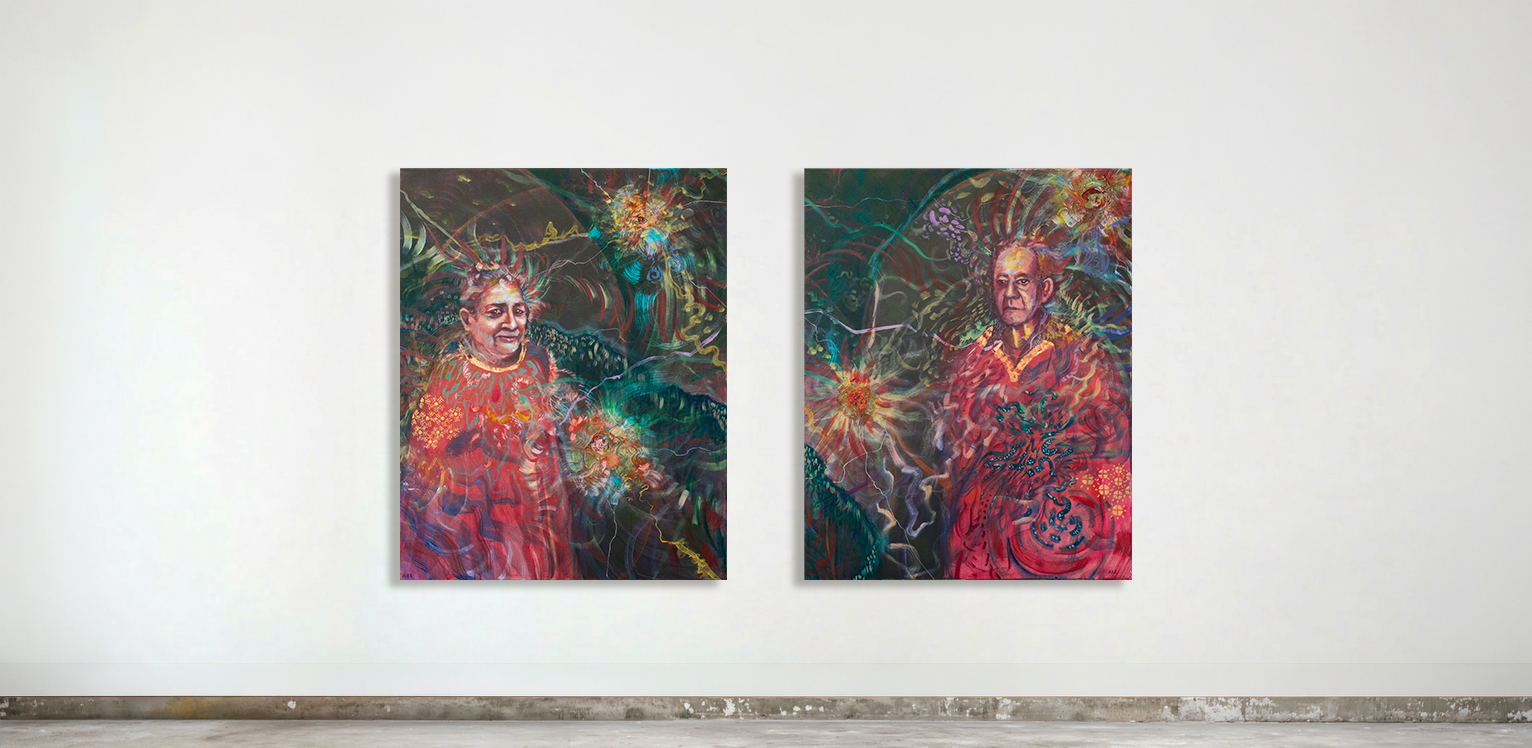
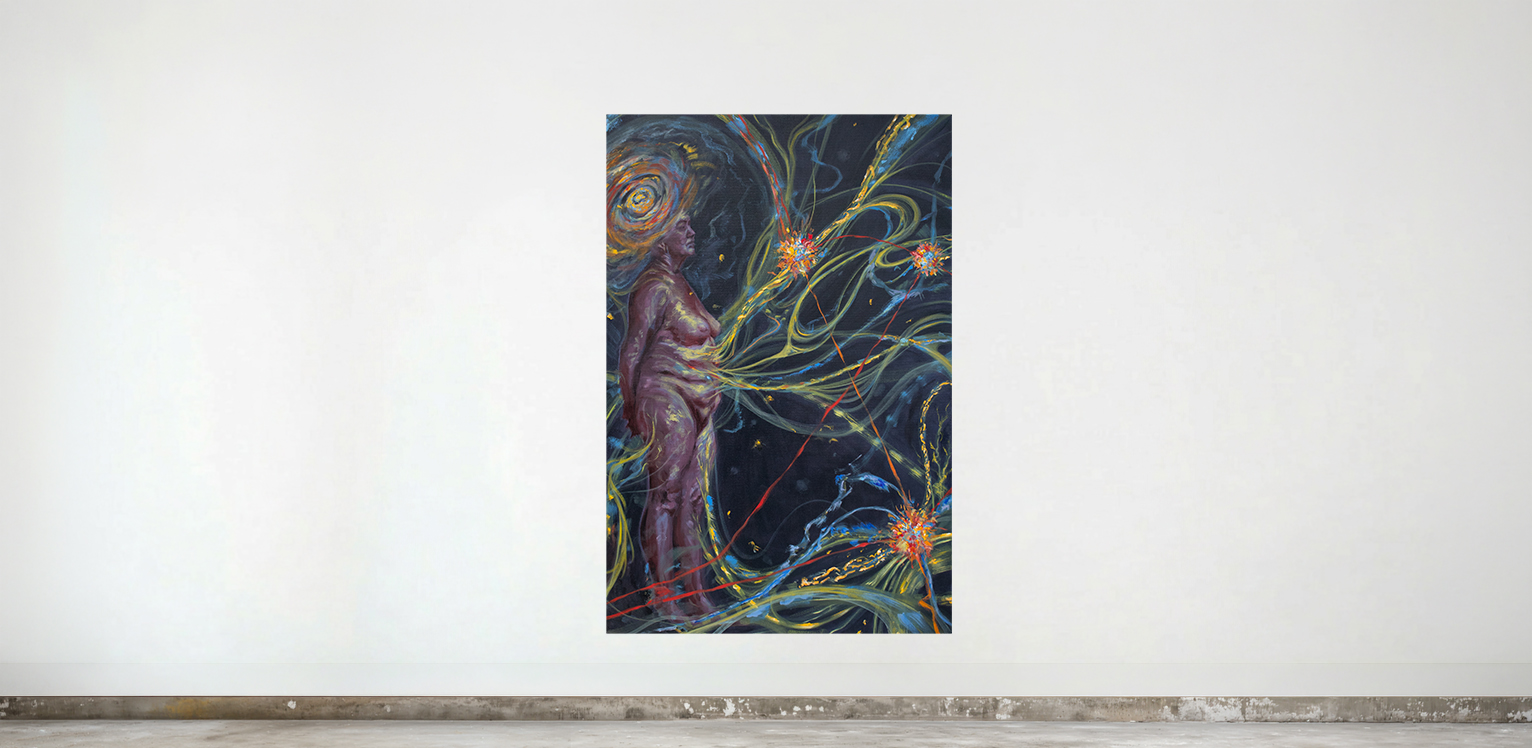
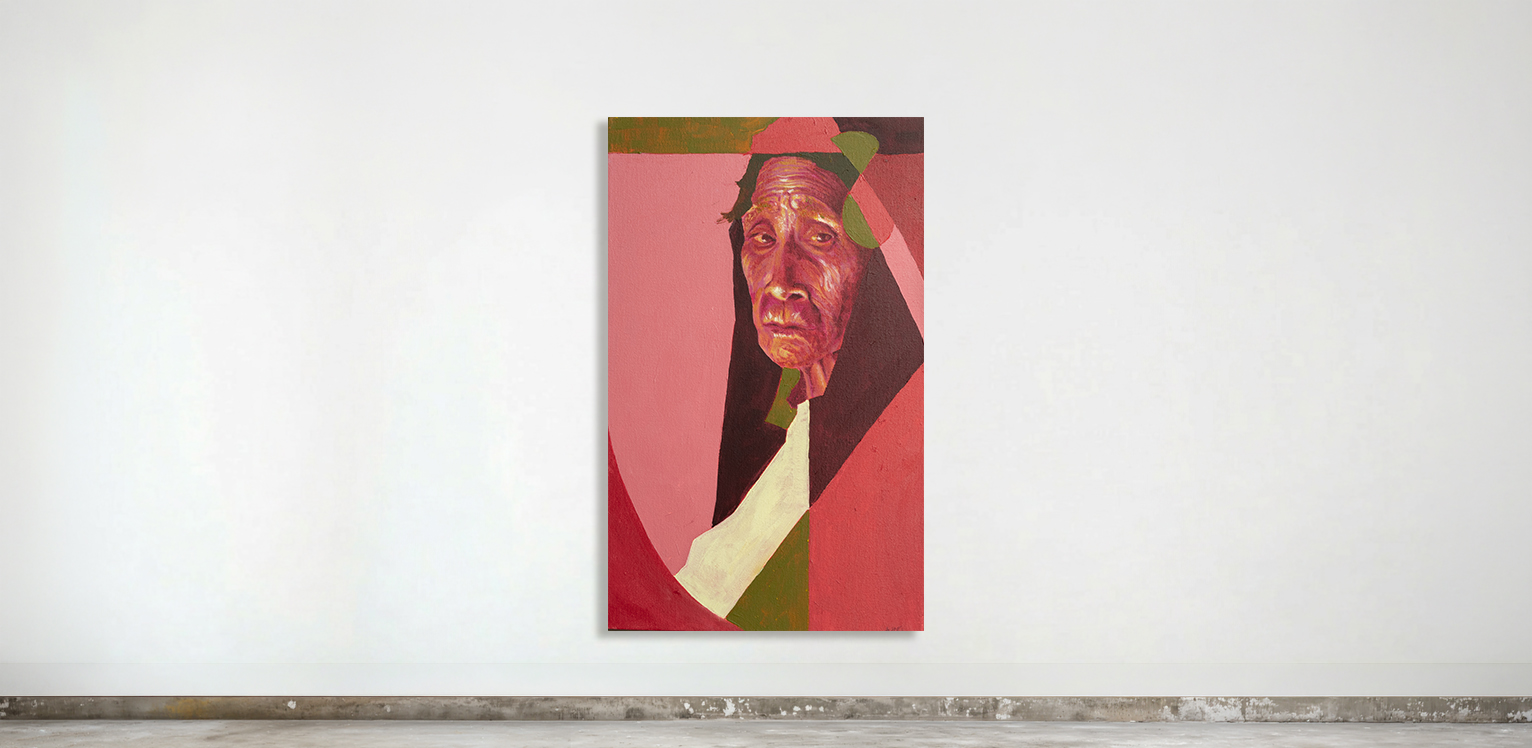
Description"Armonía en Opuestos" Is a tribute to the profound connection between my grandparents, whose relationship balanced the earthly and the spiritual. My grandmother, a pragmatic and resolute woman, contrasted with my grandfather’s dreamlike and contemplative nature. Despite their differences, they shared an unwavering love, manifesting even in their final moments: my grandfather passed away while kissing my grandmother, and years later, she departed on his birthday, seeing him in a vision before her death.
This piece explores the invisible threads that bind us, the ties that transcend the tangible and defy explanation. Inspired by neural structures, I incorporate lines that traverse the composition, converging in vibrant nuclei—points of collision where energies intertwine. Through this fusion of the biological and the emotional, Armonía en Opuestos suggests that our deepest connections exist on a plane beyond our understanding.
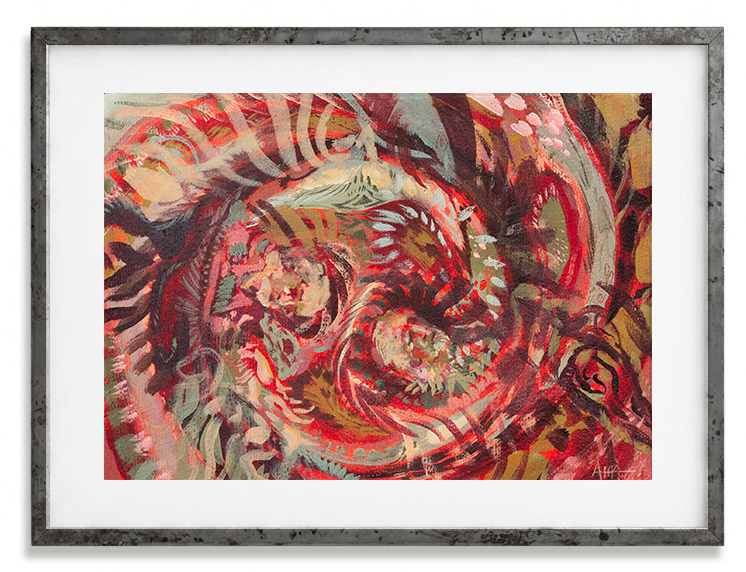
DescriptionCosmos is structured around the spiral as both form and symbol of continuous change.
The work addresses the interconnection between nature and the universe through the repetition of patterns that manifest across different scales.
Forms present in microscopic systems—such as neurons or atomic configurations—find visual correspondences in large-scale structures, including nebulae and cosmic networks.
This recurrence establishes a relationship between microcosm and macrocosm, integrating them within a single perceptual plane.
The piece is constructed through these formal analogies to point to a shared underlying logic: structures that converge, expand, and repeat. Cosmos thus proposes a reading of unity, where the reiteration of forms functions as an indication of a fundamental connection within the universe.
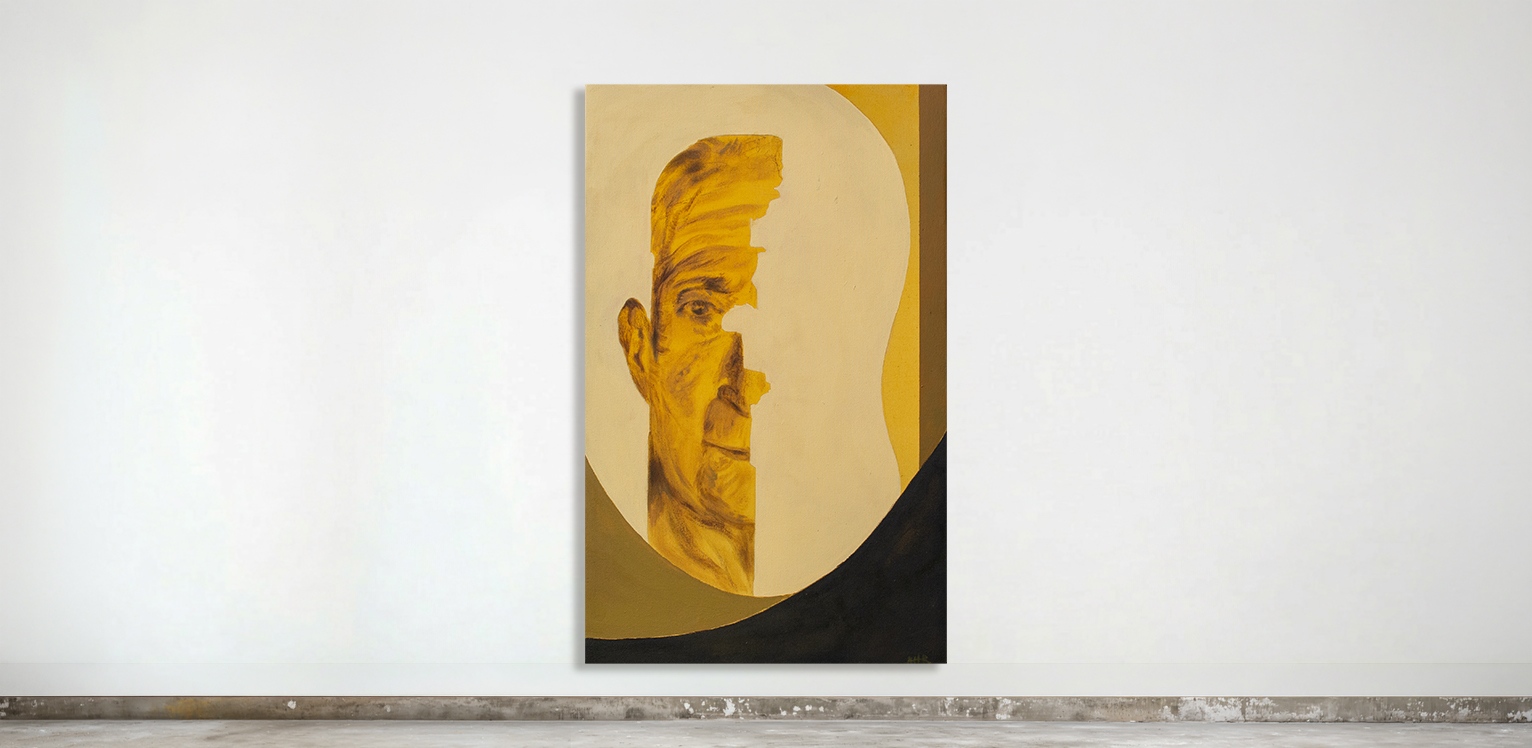
DescriptionMonolito originates from a walk in the hills.
At the summit, within a recently burned area, I encountered a circle of black ash whose center was occupied by a charred tree. Its isolated, vertical presence assumed an almost ceremonial quality.
The image was recorded for its visual force and symbolic weight, associated with resistance and permanence.
Back in the studio, while reviewing the photographic material, the tree’s silhouette emerged as a containing structure.
In parallel, I received a series of old portraits.
Both sources converge in the painting: the burned tree defines the contour, while the interior is constructed from one of these images.
The work articulates two temporalities: the recent record of a landscape marked by fire and the memory preserved in a family photograph. The monolith operates as a form that holds an intimate presence, proposing a continuity between loss and permanence.
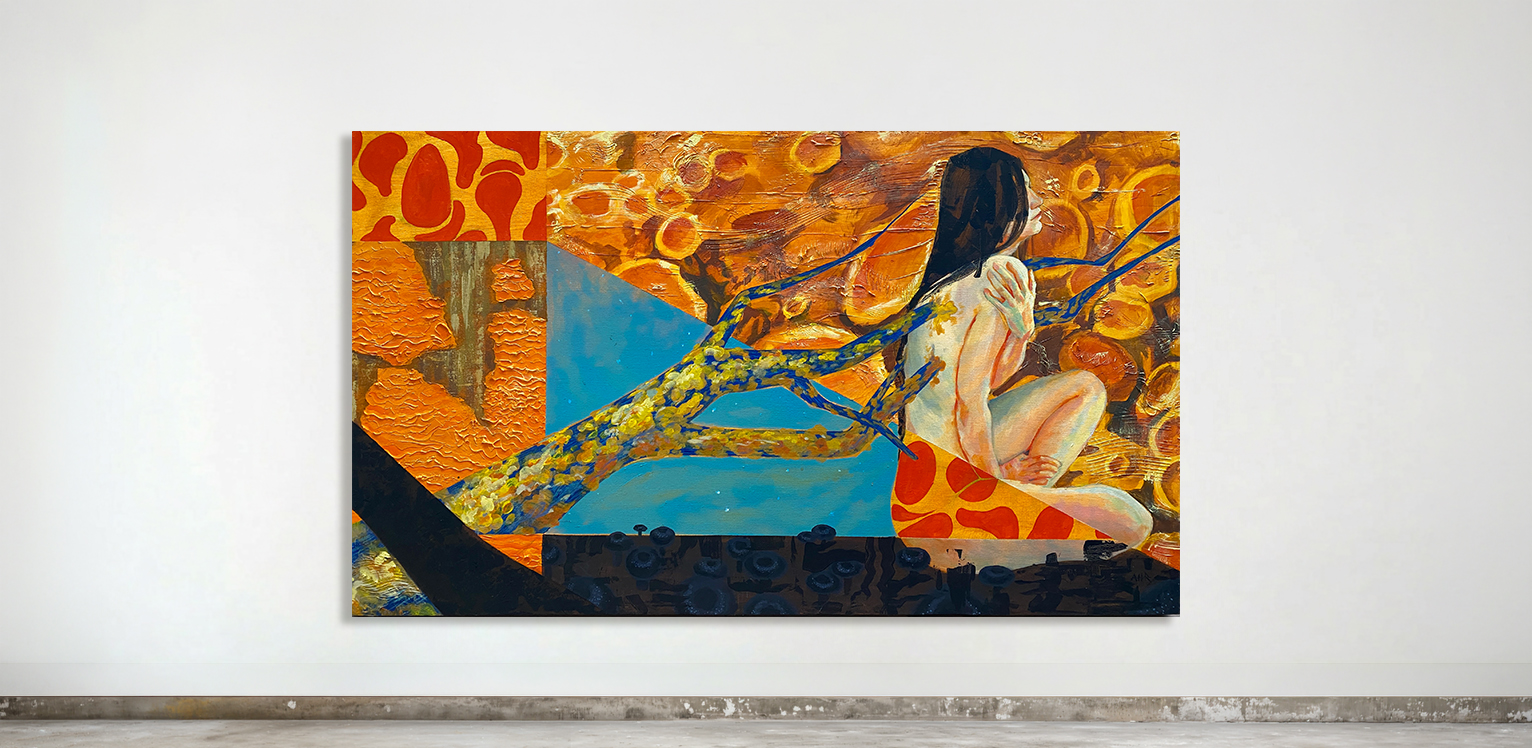
DescriptionThe work addresses death as a process of transformation andt ransfer of matter. It focuses on saprophytic fungi as agents that convert decomposition into a source of life by metabolizing organic material and reintegrating it as nutrients within the ecosystem.
The painting incorporates different species—Pycnoporus cinnabarinus, folicolous lichens, Xanthoria parietina, Geopyxis, and Myxomphalia maura—arranged according to their respective environments, from dead wood to burned soil.
This organization responds to their specific growth conditions and functions within the organic cycle. Through these structures, the work presents the recycling of energy as a continuous system: the death of one organism sustains the life of others. Decaying wood and forest debris are positioned as vital substrates, revealing a network of interdependence that maintains ecological balance.
Description


.jpg)